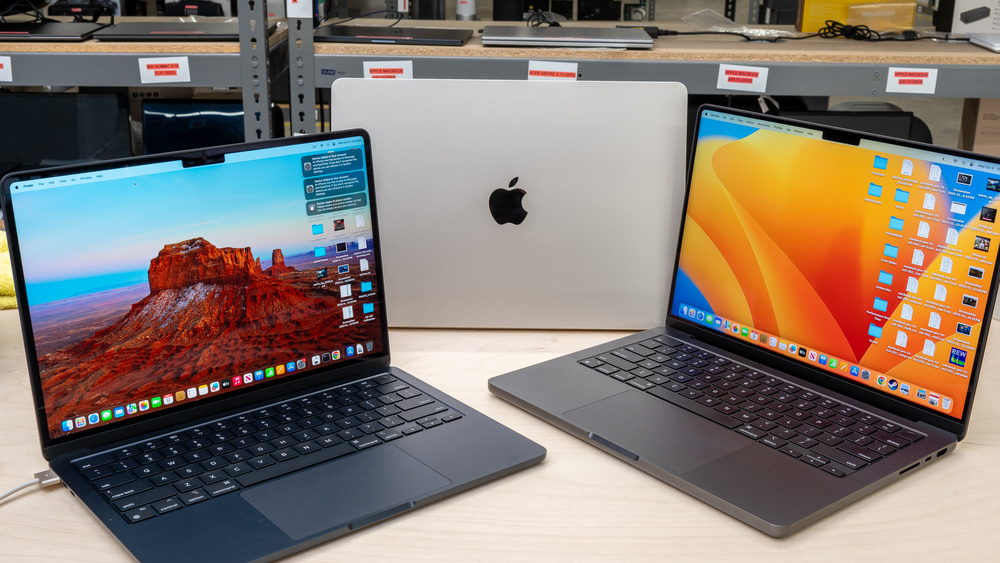
Apple laptops are becoming one of the most popular choices among students in Bangladesh because of their premium design, powerful performance, long battery backup, and smooth software experience. Whether you are attending online classes, doing assignments, creating presentations, learning programming, editing videos, or browsing the internet, MacBooks provide excellent reliability for both educational and professional tasks.
Many people think Apple laptops are always extremely expensive, but currently, there are several affordable MacBook options available that offer excellent value for students. Especially with Apple Silicon processors like the A18 Pro, M4, and M5 chips, even entry-level MacBooks now deliver powerful performance with excellent battery efficiency and long-term software support.
If you are planning to buy an Apple laptop for study purposes, this article will help you understand which MacBook models are best for students according to budget, performance, portability, and productivity needs.
Why Students Prefer Apple Laptops
One of the biggest reasons students choose MacBooks is their optimized macOS experience. Apple hardware and software work together very smoothly, which helps maintain fast and stable performance even after years of usage. Battery backup is another major advantage. Most modern MacBooks can easily provide all-day battery life for classes, assignments, browsing, and multimedia usage. This is especially useful for university students who spend long hours outside home or campus. MacBooks are also lightweight and highly portable. Their premium aluminum body provides durability while maintaining a slim and elegant design. Students who regularly carry laptops to universities, coaching centers, libraries, or workplaces will appreciate the portability.
Another important benefit is long-term software support. Apple usually provides macOS updates for many years, which helps MacBooks remain secure and modern for a long time.
MacBook Neo – Most Affordable Apple Laptop for Students
The MacBook Neo is currently one of the most affordable Apple laptops available for students in Bangladesh. It is designed for users who want the Apple ecosystem experience at a lower budget while still getting strong everyday performance. The laptop features the Apple A18 Pro chip with a 6-core CPU, 5-core GPU, and 16-core Neural Engine. This processor delivers smooth performance for online classes, browsing, assignments, office applications, media consumption, and light creative work. It comes with 8GB Unified Memory and up to 512GB SSD storage, which is suitable for most students and regular productivity tasks. The 13-inch Liquid Retina display with IPS technology offers sharp visuals and vibrant colors for educational and entertainment use.
The MacBook Neo also includes a Magic Keyboard with Touch ID, Wi-Fi 6E, and Bluetooth 6 support for modern connectivity and security features. For students looking for an affordable Apple laptop under budget, the MacBook Neo is one of the best options currently available in Bangladesh. The Price of MacBook Neo in Bangladesh 88,500৳ at Star Tech.
MacBook Air M5 Chip 13-inch – Best Balance of Performance and Portability
The MacBook Air M5 is an excellent choice for students who want a lightweight yet powerful Apple laptop for long-term usage. Powered by the Apple M5 chip with a 10-core CPU and 8-core GPU, this model provides excellent multitasking performance for office work, coding, online learning, photo editing, and productivity applications. It includes 16GB Unified Memory and 512GB SSD storage, which allows students to run multiple applications smoothly while storing large files and projects comfortably.
The 13.6-inch Liquid Retina display with True Tone technology delivers beautiful color accuracy and sharp image quality. The slim and lightweight design also makes it ideal for carrying between classes and campuses. The Price of MacBook Air M5 in Bangladesh 145,000৳ at Star Tech.
MacBook Air M4 Chip 13-inch – Powerful Compact Laptop for Students
The MacBook Air M4 is another excellent Apple laptop for students who need strong performance in a compact design. It features Apple’s M4 chip with a 10-core CPU and 10-core GPU, making it highly capable for multitasking, programming, creative software usage, and university-level workloads. With 16GB RAM and 512GB SSD storage, the laptop handles heavy applications and multitasking very efficiently. The Liquid Retina display provides excellent brightness and sharpness for study and entertainment.
Students involved in graphic design, video editing, or development work will especially appreciate the improved GPU performance of the M4 chip. The Price of MacBook Air M4 in Bangladesh 153,000৳ at Star Tech.
MacBook Air M5 Chip 15-inch – Premium Air Series for Advanced Students
The MacBook Air M5 is designed for students who need both portability and advanced performance with a larger screen. It features the Apple M5 chip with a 10-core CPU and 10-core GPU, delivering fast performance for coding, editing, productivity, and advanced multitasking. The laptop includes 16GB Unified Memory and 512GB SSD storage, making it suitable for professional-level educational and creative work. Its large Liquid Retina display offers excellent color accuracy and sharpness, while the slim body keeps it portable for daily usage. The Price of MacBook Air M5 in Bangladesh 190,000৳ at Star Tech
Things Students Should Consider Before Buying a MacBook
Before purchasing a MacBook, students should focus on several important factors.
Performance: For regular academic tasks like Microsoft Office, Zoom classes, browsing, and presentations, entry-level Apple Silicon processors are more than enough. Students involved in programming, graphic design, or video editing may require more powerful chips and higher RAM configurations.
Battery Backup: Battery life is one of the strongest features of MacBooks. Students should prioritize models that can provide at least 10–15 hours of regular use.
Portability: Thin and lightweight laptops are easier to carry daily. MacBook Air models are usually more portable compared to MacBook Pro models.
Storage: Students who store large media files, software projects, or videos should consider 512GB SSD or higher storage variants for better convenience.
Display Quality: MacBooks are known for their excellent Retina displays with sharp visuals, accurate colors, and comfortable viewing experiences, which are helpful for long study sessions.
Where Can You Buy Official Apple Laptops for Students in Bangladesh?
In 2026, many laptop retailers in Bangladesh now offer affordable Apple laptops. However, you should always purchase from trusted stores to ensure genuine official MacBooks, proper warranty coverage, and reliable after-sales service. One of the most reliable options is Star Tech. They offer official MacBook models including the MacBook Neo, MacBook Air series, and MacBook Pro series with competitive pricing and nationwide delivery service. You can visit their physical outlets across Bangladesh or order online for added convenience. During online purchases, customers can also earn Star Coins, which can later be used for discounts on future purchases.
Star Tech also provides EMI facilities, official warranty support, and after-sales service, making the buying process more secure and convenient for students looking for affordable Apple laptops in Bangladesh.