The landscape of visual creation is undergoing a massive shift. Today, the boundaries between the physical world and digital artistry are blurring faster than ever before. Graphic designers, interior decorators, and content creators are all searching for the same thing: ways to bring high-end, sophisticated aesthetics into their projects efficiently. Whether you are transforming a physical room using advanced architectural wraps or generating a breathtaking cinematic image using artificial intelligence, the core principles of texture, lighting, and composition remain identical.
To succeed in this fast-paced creative economy, artists must learn to master both the tangible elements of design and the digital tools that accelerate inspiration.
The Evolution of Texture in Modern Spaces
Texture is the foundation of visual depth. In physical interior design, the trend toward industrial minimalism has brought raw, rugged textures to the forefront of modern styling. Elements like weathered concrete, exposed brick, and oxidized metals add a layer of sophistication that flat paint simply cannot replicate. However, working with real concrete or stone poses massive structural and financial challenges.
To solve this, the design industry turned to advanced engineering. Architectural vinyl wraps now offer a hyper-realistic alternative that mimics the exact tactile feel of premium materials. For instance, integrating a specialized gemini ai photo prompt into a furniture restoration project allows designers to resurface tables, desks, and countertops with a rich, industrial brown concrete finish. This approach democratizes luxury design, giving creators the freedom to experiment with heavy, brutalist textures without the permanent weight, mess, or expense of traditional construction.
Beyond physical renovation, understanding these tangible textures is crucial for digital creators. A digital artist cannot generate a convincing render without first understanding how light interacts with the porous surface of concrete or the matte finish of polished stone. The physical world constantly informs the digital realm.
Crafting Perfection: The Mechanics of AI Imagery
While physical materials handle the tangible side of design, artificial intelligence has completely revolutionized the conceptual phase. The ability to generate hyper-realistic portraits, cinematic concept art, and vivid festival scenes in seconds has transformed how creators brainstorm.
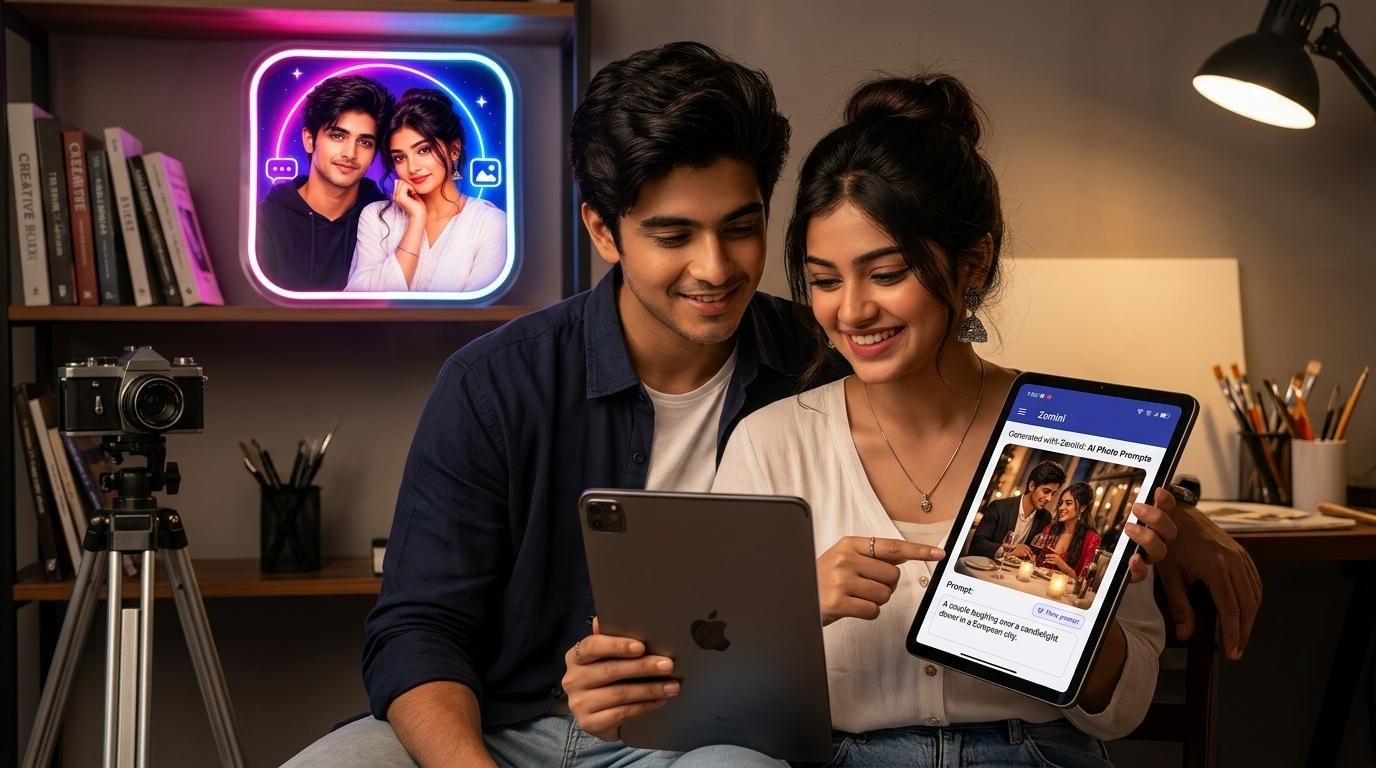
However, an AI generator is only as good as the instructions it receives. Many creators struggle with vague outputs because their inputs lack structural detail. To get the highest quality output, mastering a precise ai photo prompt is essential. By learning how to explicitly dictate camera angles, lighting styles (such as volumetric fog or golden hour warmth), and specific material textures, you move from random generation to true digital authorship.
Key Elements of a High-Quality AI Prompt
To achieve professional-grade results in your digital art generation, every descriptive input should ideally balance three core pillars:
- The Subject & Action: Clearly define who or what is in the frame and what is happening.
- Environment & Lighting: Specify the setting, weather, time of day, and the style of light (e.g., moody chiaroscuro, bright studio lighting).
- Technical Camera Specifications: Mimic real-world photography by adding details like depth of field (e.g., “shot on 85mm lens, f/1.4 aperture”) to create authentic background blur.
By breaking down your creative vision into these structured components, the AI transitions from an unpredictable novelty tool into a highly reliable digital camera capable of producing stunning, indexable visual assets.
Bridging the Gap Between Concept and Reality
The most successful modern creators are those who sit at the intersection of these two worlds. They use mobile AI applications to instantly mock up ideas while sitting in a coffee shop, and then use physical architectural materials to bring those digital concepts to life in a real-world studio.
Imagine a workflow where you generate a cinematic image of a futuristic, minimalist living room on your phone, analyze how the lighting hits the industrial furniture, and then order the exact textured wraps needed to recreate that setting in your physical studio. This seamless loop between digital visualization and physical execution minimizes waste, maximizes creative freedom, and allows independent artists to produce work that rivals major production houses.
Embracing the Future of Visual Design
As technology continues to advance, the tools available to creators will only become more sophisticated. The reliance on heavy, expensive physical renovations is giving way to smart, adaptable materials. Simultaneously, the struggle to manually draw complex perspectives is being replaced by intelligent text-to-image software.
Ultimately, the future belongs to those who understand how to manipulate both environments. By combining the tangible beauty of realistic textures with the infinite flexibility of artificial intelligence, you can unlock an unprecedented level of creative potential. The only limit left is how clearly you can articulate your vision to the world.