Consumers are no longer satisfied with generic experiences in today’s digitally connected world. They expect interactions that reflect their unique preferences, behaviours, and needs. This demand has led to a paradigm shift in how businesses interact with customers,ushering in an era of hyper-personalisation. Powered by advanced analytics, machine learning, and real-time data processing, hyper-personalisation is reshaping the consumer data analytics landscape. Understanding this transformation is essential for aspiring professionals, and enrolling in a data analyst course can be a pivotal step in mastering these cutting-edge practices.
What is Hyper-Personalisation?
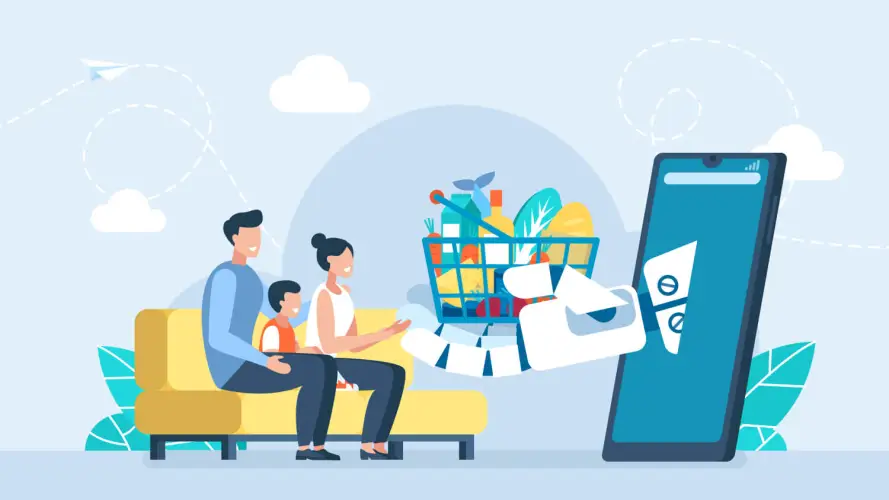
Hyper-personalisation goes beyond traditional personalisation by leveraging real-time data, artificial intelligence, and predictive analytics to deliver content, products, and services tailored to individual consumers at a granular level. Unlike basic personalisation, which might include using a customer’s name in an email, hyper-personalisation utilises behavioural data, purchase history, browsing patterns, and even location information to anticipate and fulfil customer needs dynamically.
For example, a streaming platform like Netflix doesn’t just recommend shows based on past watches; it considers the time of day, device used, and even viewer mood inferred from previous choices. Similarly, e-commerce giants like Amazon analyse user interactions at every touchpoint to recommend products with stunning accuracy.
The Role of Consumer Data in Hyper-Personalization
Consumer data is the cornerstone of hyper-personalisation. Every digital footprint,a search query, social media interaction, or mobile app usage,serves as a data point that can help companies understand consumer intent and behaviour. This data is collected, processed, and analysed in real-time to deliver hyper-relevant experiences.
Key types of consumer data used in hyper-personalisation include:
- Demographic Data: Age, gender, income level, etc.
- Behavioural Data: Clicks, browsing history, purchase behaviour.
- Psychographic Data: Interests, values, lifestyle choices.
- Transactional Data: Purchase history, payment methods.
- Location Data: Real-time geographical information.
With the help of robust analytics platforms, organisations can transform this data into actionable insights that drive targeted marketing campaigns, customised product offerings, and personalised user journeys.
How Hyper-Personalization is Redefining Consumer Data Analytics?
Hyper-personalisation has transformed traditional consumer data analytics in several significant ways:
1. Real-Time Analytics
In the era of hyper-personalisation, timing is everything. Businesses now rely on real-time analytics to respond instantly to consumer behaviours. Whether it’s sending a discount coupon after cart abandonment or adjusting website content based on recent searches, real-time data processing ensures contextually relevant interactions.
2. Predictive and Prescriptive Insights
Hyper-personalisation uses predictive analytics to forecast future behaviour based on historical data. Prescriptive analytics goes a step further by suggesting actions to influence future outcomes. For example, predictive models might indicate a high probability of customer churn, and prescriptive analytics could recommend personalised loyalty offers to retain them.
3. Omnichannel Personalization
Consumers interact with brands across various touchpoints,websites, mobile apps, emails, social media, etc. Hyper-personalisation ensures a seamless and consistent experience across all channels. For example, a customer’s behaviour on a mobile app can influence the recommendations they see on a desktop website, offering a unified, personalised experience.
4. AI and Machine Learning Integration
AI and machine learning are the engines behind hyper-personalisation. Algorithms continuously learn from new data to refine personalisation strategies. Recommendation engines, sentiment analysis, and natural language processing are AI-powered tools that enhance consumer analytics.
Understanding these tools and techniques is essential for analytics professionals. Mid-career professionals and freshers are increasingly enrolling in a data analyst course to get hands-on experience with these technologies.
Real-World Examples of Hyper-Personalization
Retail Sector
Retailers use hyper-personalisation to send targeted offers based on shopping history and in-store behaviour. For instance, if a customer frequently purchases athletic wear, the brand might send personalised emails showcasing new arrivals in that category, complete with discount codes.
Banking and Finance
Banks use hyper-personalisation to tailor product offerings based on financial behaviour. Customers with high transaction volumes might receive premium credit card offers, while those saving for a goal could be guided toward investment options.
Healthcare
Wearable devices and mobile health apps collect real-time data that healthcare providers use to offer personalised health tips and medication reminders, improving patient outcomes and engagement.
Streaming Services
Spotify and YouTube offer curated playlists and video recommendations based on listening/watching history, moods, and user feedback. The algorithms continually learn and evolve, making personalisation more accurate over time.
The Impact on Data Analysts
As businesses embrace hyper-personalisation, the demand for skilled data professionals is surging. Analysts must now deal with more complex datasets, integrate AI and machine learning models, and generate real-time insights. This shift calls for enhanced skills in data visualisation, predictive modelling, data wrangling, and real-time analytics platforms.
Professionals looking to build or upgrade these skills are increasingly opting for a data analyst course in Bangalore, India’s Silicon Valley. These courses often include modules on Python, R, SQL, machine learning, and big data technologies,tools essential for driving hyper-personalisation initiatives.
Challenges and Considerations
Despite its advantages, hyper-personalisation brings several challenges:
1. Data Privacy and Compliance
With growing concerns around data privacy, businesses must ensure compliance with regulations like GDPR and CCPA. Consumers must trust that their data is used responsibly and securely.
2. Data Integration
Combining data from multiple sources (CRM, social media, transactional systems) into a unified format is often challenging but crucial for effective personalisation.
3. Over-Personalisation Risk
Too much personalisation can feel invasive. Striking the right balance between helpful and creepy is essential to avoid alienating customers.
4. Scalability
Implementing real-time personalisation at scale requires robust infrastructure and processing capabilities, often involving cloud-based solutions and edge computing.
Conclusion
Hyper-personalisation is not a trend,it’s the new standard in consumer engagement. By harnessing real-time data, predictive analytics, and machine learning, businesses can deliver experiences that feel intuitive, relevant, and uniquely personal. This evolution is pushing the boundaries of traditional consumer data analytics and redefining what it means to understand the customer.
For data professionals, this shift represents both a challenge and an opportunity. Gaining expertise in hyper-personalisation technologies and practices is essential, and enrolling in a data analyst course in Bangalore can provide the knowledge and tools needed to excel in this dynamic environment. As businesses race to meet rising customer expectations, those equipped with the right skills will be at the forefront of this data-driven revolution.
ExcelR – Data Science, Data Analytics Course Training in Bangalore
Address: 49, 1st Cross, 27th Main, behind Tata Motors, 1st Stage, BTM Layout, Bengaluru, Karnataka 560068
Phone: 096321 56744