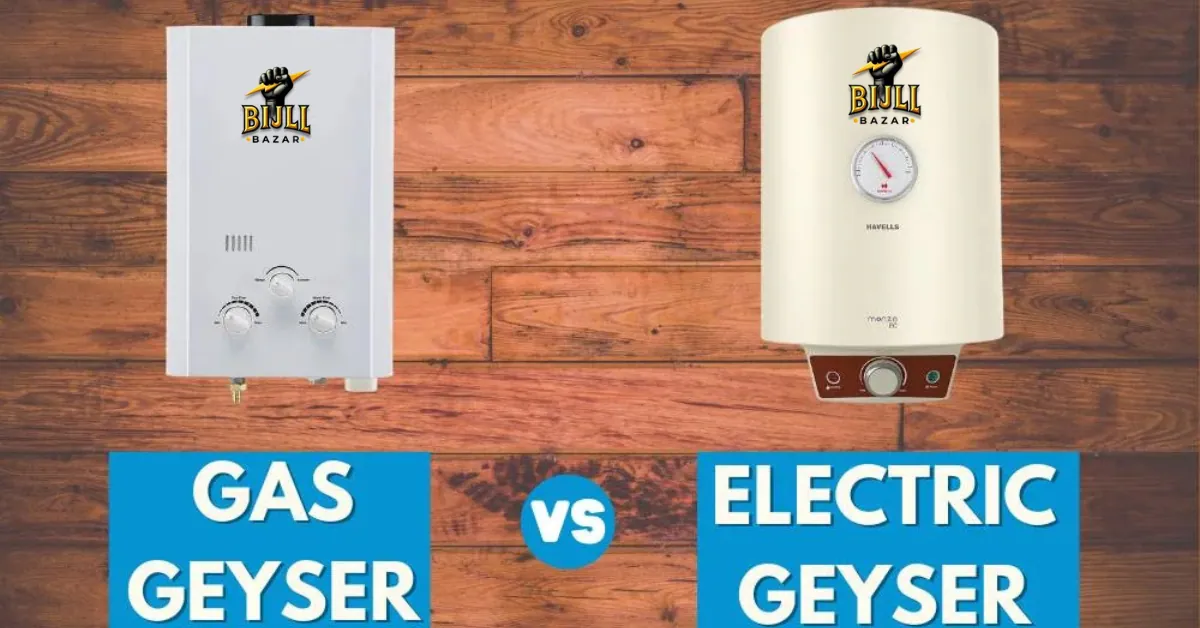
Standing in your bathroom on a cold winter morning, shivering as you contemplate another frigid shower, you realize it’s finally time to invest in a geyser. But as you begin your research, a fundamental question emerges: should you choose an electric water heater or a gas water heater? This decision isn’t just about heating water; it’s about selecting a solution that aligns with your home’s infrastructure, budget constraints, and daily lifestyle. Let’s explore everything you need to know to make an informed choice that keeps you warm for years to come.
Electric Geysers: The Modern Convenience
Advantages That Matter
Electric water heaters dominate the Bangladesh market for compelling reasons. Their installation simplicity stands out immediately: no gas lines, no ventilation ducts, just an electrical connection and water pipes. This straightforward setup makes them ideal for apartments, where gas installations might be prohibited or impractical.
Safety represents another significant advantage. Electric geysers eliminate risks associated with gas leaks, carbon monoxide poisoning, or combustion-related hazards. Modern models incorporate multiple safety features, including automatic shut-off, pressure relief valves, and thermal cut-outs that prevent overheating.
Maintenance requirements remain minimal compared to gas alternatives. Without burners to clean or gas lines to inspect, electric geysers require only periodic tank flushing to remove sediment buildup. This simplicity translates to lower long-term maintenance costs and fewer service calls.
Popular Electric Water Heater Models in Bangladesh
The TESY BelliSlimo 50L Water Heater exemplifies premium electric geyser technology, offering both vertical and horizontal installation flexibility. Its dual power rating of 1200/2200W allows users to prioritize either energy conservation or rapid heating, with the higher setting heating 50 liters in just 80 minutes. Advanced anti-corrosion technology ensures longevity even with Bangladesh’s hard water conditions.
For budget-conscious buyers, the Haier 30 Litre Water Heater Geyser (ES30H-CK3) delivers exceptional value with 1650W power, IPX4 waterproof protection, and shockproof design. Its horizontal installation suits compact bathrooms while providing sufficient hot water for small families.
The Rangs REG-35GL 35 Liter Geyser showcases impressive performance with 2000W power that ensures rapid heating. Its high working pressure capability up to 8bar makes it suitable for highrise buildings, while the low power consumption and auto-stop feature after water is warmed demonstrate intelligent energy management. This Rangs Geyser makes it the best electric geyser for those prioritizing both robust performance and economy.
Electric Geyser Drawbacks
Despite their advantages, electric geysers face limitations. Operating costs depend entirely on electricity prices, which have risen steadily in Bangladesh. A 2000W geyser running two hours daily can add BDT 1,500-2,500 to monthly bills, depending on usage patterns and electricity tariffs.
Heating time represents another consideration. While modern elements work efficiently, heating 50 liters of water from 15°C to 60°C typically requires 1.5-2 hours, meaning you can’t enjoy hot water immediately if the tank runs empty.
Gas Geysers: The Traditional Powerhouse
Why Gas Geyser Remains Relevant
Gas water heaters offer distinct advantages that make them preferable for specific situations. Operating costs typically run lower than electric alternatives, especially for heavy users, since natural gas and LPG often cost less per unit of heat energy produced than electricity.
Instantaneous gas geysers heat water on-demand without storage tanks, providing unlimited hot water for as long as needed. This feature proves invaluable for large families or homes with multiple bathrooms requiring simultaneous hot water access.
Recovery time how quickly the system heats another batch of water significantly surpasses electric models. Gas burners generate intense heat rapidly, making them ideal for commercial applications or households with high water consumption.
Gas Geyser Considerations
However, gas geysers introduce complexities that deter many buyers. Installation requires professional expertise to ensure proper ventilation, preventing dangerous exhaust gas accumulation. Building codes in many Bangladeshi cities impose strict regulations on gas appliance installation, particularly in highrise buildings.
Safety concerns demand vigilance. Gas leaks, though rare with proper installation, pose serious risks. Carbon monoxide detectors become essential safety equipment, adding to overall system costs. Regular professional maintenance ensures burners function cleanly and ventilation systems remain unobstructed.
Availability and infrastructure present practical challenges in Bangladesh. While natural gas connections exist in major cities, many areas rely on LPG cylinders, requiring space for storage and regular refills. The inconvenience of monitoring gas levels and arranging timely replacements frustrates some users.
Cost Comparison: Breaking Down the Numbers
Initial investment for electric geysers ranges from BDT 10,000 for basic 15-liter models to BDT 35,000 for premium 50-liter units with advanced features. Installation costs remain modest, typically BDT 1,500-3,000 for standard setups.
Gas water heaters generally cost BDT 15,000-50,000 depending on capacity and whether you choose instantaneous or storage models. However, installation expenses escalate significantly, potentially reaching BDT 10,000-20,000 when factoring in ventilation systems, gas line connections, and professional safety certifications.
Operating costs favor gas where consumption is high. An electric geyser might cost BDT 2,000-3,000 monthly for a family using hot water liberally, while equivalent gas usage might total BDT 1,500-2,000. However, for light to moderate users, the difference becomes negligible, especially considering electricity’s convenience and safety advantages.
Star Tech: Your Geyser Selection Partner
Navigating the electric Water Heater versus gas Water Heater decision becomes simpler with expert guidance from Star Tech, Bangladesh’s trusted geyser shop serving customers nationwide. Their comprehensive product range encompasses both technologies, allowing genuine comparison rather than pushing a single solution. Star Tech’s stock leading brands, including TESY, Haier, Midea, Ariston, Rangs, IEGA, and Shameem, ensuring access to proven, reliable products rather than untested alternatives.
What distinguishes Star Tech is its complete solution approach. Beyond product sales, they offer professional installation services. Ensuring your chosen geyser operates safely and efficiently from day one. Their technicians understand Bangladesh’s unique challenges: water quality, electrical infrastructure variations, and building code requirements, delivering installations that withstand local conditions.
Additionally, Star Tech provides flexible EMI facilities that transform premium geysers from aspirational purchases into achievable realities. Their home delivery service spanning the entire country means location never limits your options. Whether you reside in Dhaka’s bustling neighborhoods, Chittagong’s coastal areas, Sylhet’s tea regions, or anywhere else across Bangladesh, Star Tech ensures your chosen geyser reaches you safely and promptly.
Which Suits You Best?
Visit Star Tech’s explore their online catalog to compare options hands-on, ask questions freely, and make an informed decision. Your perfect geyser awaits, whether electric or gas one that transforms cold mornings into warm, refreshing starts to each day.
For most Bangladeshi households, the best geyser choice leans toward electric models. Their combination of safety, convenience, simple installation, and adequate performance for typical family needs makes them the practical default option. The Haier 50 Litre Water Heater Geyser (ES50H-CK3) with 2200W power, IPX4 waterproof protection, and shockproof design exemplifies why electric geysers dominate the market.
However, specific circumstances favor gas. Large families, commercial establishments, or homes with existing gas infrastructure and heavy hot water demands may find gas systems more economical long-term, despite higher initial investment and complexity.