Fashion has always been about more than bodies draped in fabric—it’s a potent form of self-expression, a marker of cultural identity and an inescapable, multibillion-dollar global industry. From our earliest ancestors, gender has determined and impacted fashion, making statements both cultural and political, from the creation of shape to the use of adornment. It progresses, but never ceases to be a defining aspect of human beings.
What is Fashion?
Fashion is the current style of clothing, hair, manners, actions, etc. at a particular time. It is not just about luxury labels or runway shows, but everyday clothing decisions, streetwear and even uniforms. At any one time, fashion is creative, comfortable, traditional and innovative.
The History of Fashion
Fashion has evolved throughout history:
- Ancient Times As in antiquity, clothing in early times was both utilitarian and expressive. The Egyptians wore linen and the Romans favoured togas as a symbol of status.
- Middle Ages: Clothing modelled your social class – the richer you were, the better the material – silk and velvet for royals, wool for peasants.
- Renaissance Era The rich wore rich colors and lots of embroidery.
- Industrialization in the 19th Century made clothing cheaply available, and fashion was more widely distributed.
- 20th Century to Today: Fashion accelerated, diversified and was exposed to an explosion of pop culture influences due to the speed and immediacy of ever-increasing attention through pop culture, pop music, fashion magazines — all reinforcing the need for change and speed.
Fashion in Modern Society
Fashion influence fashion influence in society in several ways.
- It’s an expression of ourselves – what we wear tells who we are, what kind of mood we are in, and where we want to be.
- Culture & Tradition – The use of sari, veshti, thilak on the forehead, long drawstring knot to the back of the head represent our tradition and culture..
- Status – Designer labels can be a status symbol, associated with wealth and high social rank.
- Economic Growth – Fashion supports millions of workers worldwide, everyone from designers to factory workers.
- Art and Media Influence – Fashion is entwined to the world of music and cinema, contributing to shaping cultural trends.
- Just look at what happened, for example, to the denim jeans that at one time were the workwear of labourers, and have now become a global fashion staple which simultaneously represents comfort and rebellion.
Fashion is not one-size-fits-all. Some major categories include:
- Haute Couture: High quality, custom fit clothing of exclusive and high standard luxury.
- Ready-to-Wear: Designer’s designer clothes, a name that is easy to find but not available in large numbers.
- Streetwear: Informal, fashionable clothes based on urban culture.
- Fast Fashion: Inexpensive trends available to consumers quickly and produced in high volume.
- Sustainable Fashion: Eco friendly fashion with emphasis placed on ethical production and less waste.
Modern Fashion Trends
- In today’s world, with technology, social media and evolving lifestyles, fashion is being redefined. Some current trends include:
- Sustainability – There is a consumer appetite for eco-friendly fabrics such as organic cotton and recycled polyester.
- Gender-Neutral Fashion – Flouting conventions in fashion, unisex styles are in.
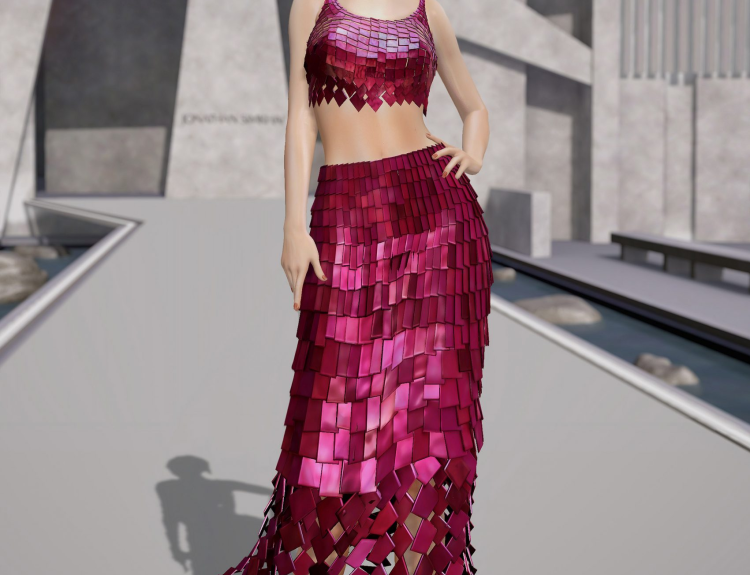
- Digital Fashion – We all get virtual apparel for avatars and metaverse.
- Minimalism – Classic clothes that will last are favored over fads.
- Cultural mish mash – Designers are also mixing old with new more so than ever.
Challenges in the Fashion Industry
- Contribution but Challenge Despite it’s power and influence, there are challenges in the fashion industry:
- Implications for the Environment: Fast fashion causes pollution and waste in textiles.
- Labour Issues: Conditions for many workers in the Global South are dismal and pay is low.
- Overproduction: Too much creation leads to unnatural cycles of consumption.
- Cultural appropriation: When borrowing elements of another culture, without showing proper respect, can lead to outrage.
- Many brands are working to address these by embracing slow fashion trends, fair-trade practices, and supply-chain transparency.
Fashion as a Career
The fashion industry is also doing just fine. From designers and stylists to fashion journalists, photographers and models the discipline is incredibly varied. Thanks to the popularity of online players, influencers and content creators are now critically important in molding the future of trends and the spending habits of shoppers.
Conclusion
Fashion is not just about clothes; it is a universal language which conveys one’s identity and message as well as the culture and also the economic forces behind it. Just like society, fashion changes and gets updated with new technologies, new values, and new ways of living. The future of fashion is creativity plus responsibility — innovation that is sustainable and ethical.