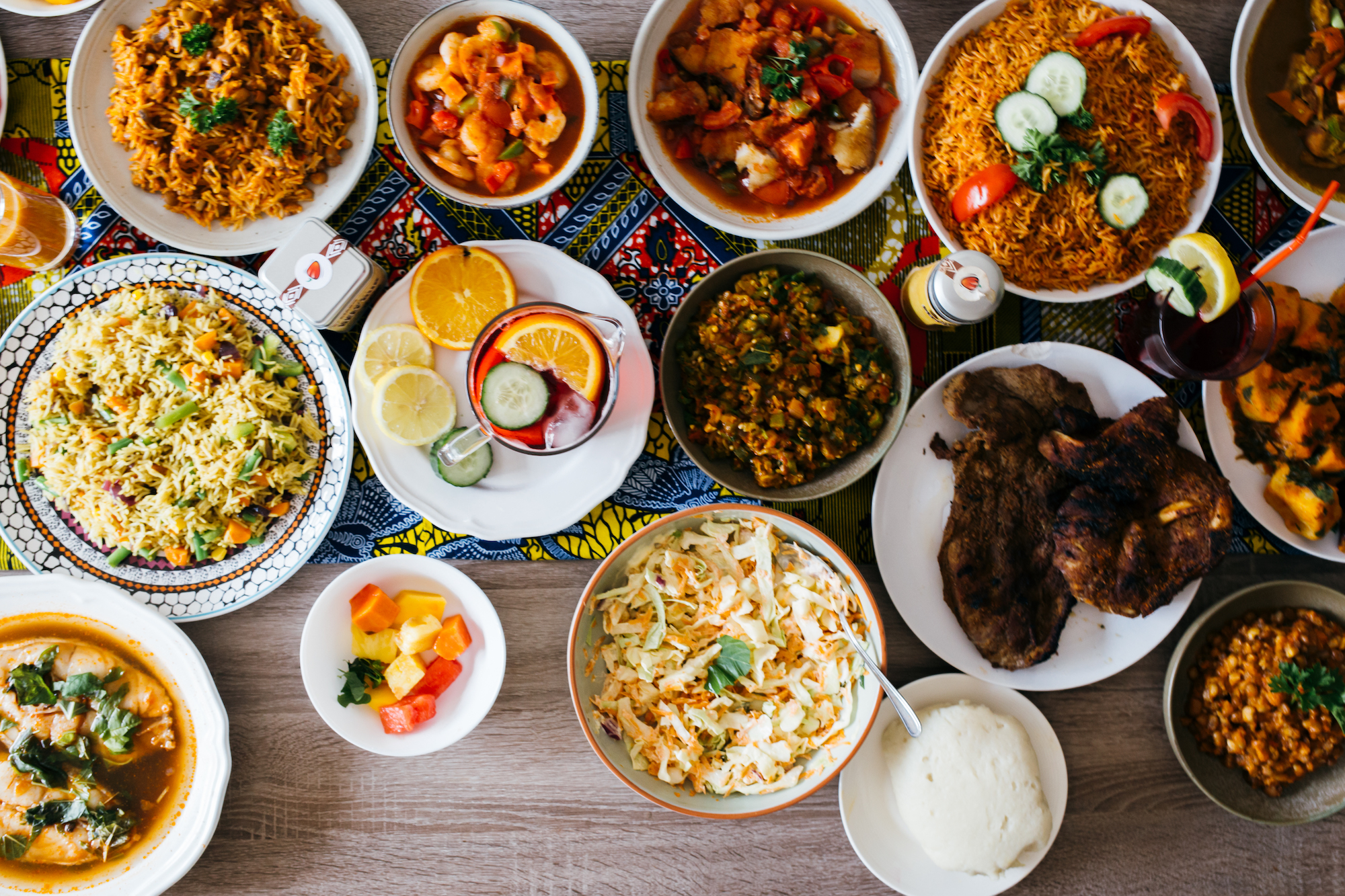
Food is about more than just sustaining the body — it is a source of joy and a symbol of culture, as well as a multitrillion dollar global industry that connects people from every corner of the world. It unites families, shapes traditions and inspires innovations in health and science. There has never been a period of time when food did not sit at the center of human culture, from the beginnings of food preservation to the top of Foodie Mountain that we sit upon now.
What is Food?
For living organisms, food is the stuff they consume for energy and nutrients. For humans, there is also some grain, fruit, vegetables, dairy, meat, seafood, and more. For food is not just a biological function, but also taste, memory, comfort, identity.
Food and Humanity
Food plays multiple roles:
- Nutritious – Food contain all the proteins, carbohydrates, fats, vitamins and minerals that body need for good health.
- Cultural Identity – Each area has some signature dishes, showing its history and way of life.
- Community Connection – Eating together builds family and community.
- Economic Importance – The food business provides millions of jobs around the world, both directly and indirectly, from farmer to chef.
- Happiness – Comfort foods are known for making us feel good and less stressed.
A Brief History of Food
Culinary habits throughout civilization:
- Primitive: Hunting, fishing and gathering sustained early man.
- Agricultural Revolution: As farming was developed, it brought with it grains, domesticated animals, and the establishment of permanent settlements.
- Middle Ages: Spices and spice trade spread culinary diversity.
- Modern Era: The age of industrialization ushered in packaged foods, as well as refrigeration and global food markets.
- Today: Technology, globalization, and health consciousness are influencing food trends.
Types of Food
Food is so varying, that categorisation is necessary for us to better understand it’s purpose:
- Grains: Rice, wheat, corn, and oats are the staple foods for many cultures.
- Fruits & Vegetables: Packed with vitamins, antioxidants, and fiber.
- Protein: Muscle power is made of meat, fish, beans, tofu and eggs.
- Dairy: Milk, cheese and yogurt all provide calcium and probiotics.
- Fats & Oils: Olive oil, butter and nuts provide calories and help with the assimilation of nutrients.
- Sweets & Snacks: Moderation For most, sweets and processed snacks are yummy but not recommended.
Food and Culture
Food is one of the most interesting things about culture. Italian pizza, Indian curry, Japanese sushi and Mexican tacos are not mere meals but cultural treasures. Festivals and ceremonies often center upon special foods, whether it’s turkey during the U.S.’s Thanksgiving or sweets during Eid and Diwali.
Food also maps the stories of migration and adaptation: Dishes transform as canny recipes reach borders, local ingredients are incorporated and traditions are reimagined.
Modern Food Trends
- In today’s world, our food industry is defined by consumer mindfulness and technology and the influence of the world. Some major trends include:
- Healthy Eating – A larger percentage of the population concentrate on well-rounded diets full of whole foods.
- Plant-Based Diets – Vegetarian and vegan diets is a growing trend.
- Organic Food- Pesticide and chemical free, organic food is all the rage.
- Convenience Foods – Prepackaged meals and junk food support fast-paced living.
- Fusing – The mixing together of flavors from different traditions to make something new and exciting.
- Food Technology – How we eat is changing with lab-grown meat, meal delivery apps and smart kitchens.
Challenges in the Food Industry
- The food industry may be moving forward, but it encounters some major obstacles:
- Food Security: Millions are still hungry around the world.
- Waste: An enormous portion of food is wasted each year.
- Health Problems: Overeating processed food leads to obesity and illness.
- Environmental Impact: Conventional food production harms soil, water, and climate.
- Creatively tackling these challenges mean innovative and sustainable farming and responsible consumption.
Conclusion
Food is human life’s foundation, linking body, mind and culture. It feeds us physically, brings people together emotionally and stands as traditions that have been handed down for centuries. And as the world becomes more interconnected, food will continue to change, improving in healthfulness, sustainability and diversity.